Creating Quality Sound Audio Studio Rental Insights
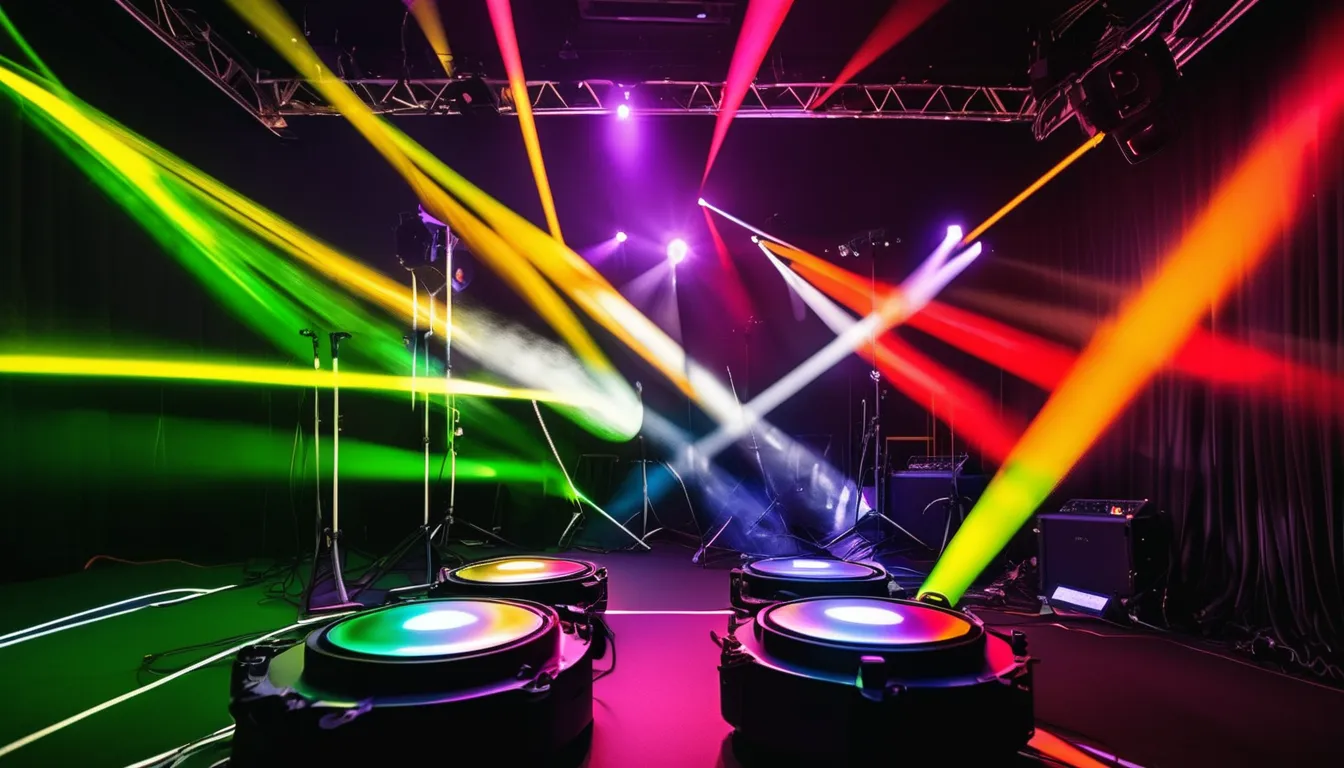
When you’re looking to create quality sound in an audio studio rental, you need to consider several key factors that can significantly impact your project. From determining the right studio size to evaluating essential equipment, each choice plays a crucial role in your final output. Budgeting wisely and ensuring the location suits your needs can also make a difference. As you explore these elements, it becomes clear that a well-prepared approach can elevate your sound production. But what specific strategies can you employ to ensure your time in the studio is both efficient sviesu efektu nuoma effective?
Understanding Your Needs
When you’re looking to rent an audio studio, it’s essential to first understand your specific needs.
Start by identifying the type of project you’re working on. Are you recording music, podcasting, or mixing audio? Each requires different setups and resources. If you’re recording vocals, for instance, you might need a vocal booth for optimal sound quality, while a podcast may require a more casual environment.
Next, think about the size of the studio. Do you need a space for a full band, or will a smaller room suffice for solo work? Consider how many people will be involved in the recording process; this will guide your choice.
Budget is another crucial factor. Determine how much you’re willing to spend and look for studios that fit within that range. Remember to factor in additional costs, like engineer services or equipment rental.
Lastly, check the studio’s location. You’ll want somewhere convenient for you and your team.
Evaluating Studio Equipment
Evaluating studio equipment is crucial for ensuring your project meets professional standards. First, assess the audio interface. Look for one that offers low latency and high-quality converters. This’ll help capture your sound without unwanted distortion.
Next, check the microphones available. Different projects may require dynamic, condenser, or ribbon microphones, so ensure the studio has a variety to suit your needs.
Don’t forget about monitors and headphones. Good studio monitors will provide an accurate representation of your mix, while quality headphones are essential for tracking and editing.
Pay attention to the acoustic treatment of the studio. Proper soundproofing and treatment can greatly enhance the recording environment, minimizing unwanted reflections and background noise.
Also, take a look at the outboard gear. Compressors, equalizers, and effects units can elevate your sound, so make sure the studio is equipped with reliable brands.
Finally, inquire about software and plugins. A well-stocked digital audio workstation (DAW) with professional plugins can make a significant difference in your production quality.
Location and Accessibility
Finding the right location for your audio studio rental can significantly impact your project’s success. A well-placed studio can enhance convenience and reduce stress, allowing you to focus on your creative work.
Consider proximity to your target audience or collaborators. If you’re working with local artists or clients, a central location can make it easier for everyone to get together.
Accessibility is crucial, too. Look for studios with good transportation links, whether it’s public transit options or ample parking. You don’t want to waste time navigating traffic or struggling to find a parking spot.
Also, think about the studio’s layout and facilities. Is it easy to load in equipment? Are there nearby amenities like restaurants or cafes for breaks?
Make sure the studio is equipped to handle your needs. For instance, if you’re recording with a large group, ensure the space is spacious enough.
Finally, consider the neighborhood’s safety and vibe; a welcoming and inspiring environment can fuel your creativity.
Budget Considerations
How can you ensure your audio studio rental fits within your budget without sacrificing quality? It’s all about planning and knowing what to look for.
Before you start reaching out to studios, set a clear budget based on your needs and the scope of your project. Remember, it’s not just about the rental fee; consider additional costs like equipment, engineers, and any necessary services.
Here are some key budget considerations to keep in mind:
- Hourly Rates: Compare rates from different studios and ask about package deals for longer sessions.
- Equipment Rental: Check if the studio includes essential equipment in the rental cost or if you’ll need to rent separately.
- Location: Studios in prime areas might charge more; consider ones that are slightly off the beaten path.
- Hidden Fees: Always ask about extra charges for cleaning, cancellation, or overtime.
- Discounts: Look for promotional deals or discounts for first-time clients or off-peak bookings.
Maximizing Your Studio Time
Maximizing your studio time is crucial for achieving the best results in your audio project. To make the most of your session, preparation is key. Before you even step into the studio, outline your goals and know exactly what you want to accomplish.
Create a detailed schedule that includes setup, recording, and any post-production tasks.
When you arrive, ensure everything’s set up correctly. Familiarize yourself with the equipment and software you’ll be using. This familiarity will save you valuable time and help you avoid unnecessary delays.
If you’re working with a team, communicate clearly to ensure everyone’s on the same page.
During the session, stay focused. Resist the urge to get sidetracked with minor adjustments or distractions. If you find yourself stuck on a particular element, move on and revisit it later.
This approach prevents wasting time and keeps the momentum going.
Conclusion
In conclusion, renting an audio studio can significantly enhance your project’s sound quality when you know what to look for. By understanding your needs, evaluating equipment, considering location, and setting a budget, you’re setting yourself up for success. Don’t forget to plan ahead to make the most of your time in the studio. With clear communication and focus, you’ll create the high-quality audio you’re aiming for. Happy recording!