
Palm Tree Removal Experts in Humpty Doo: What to Expect
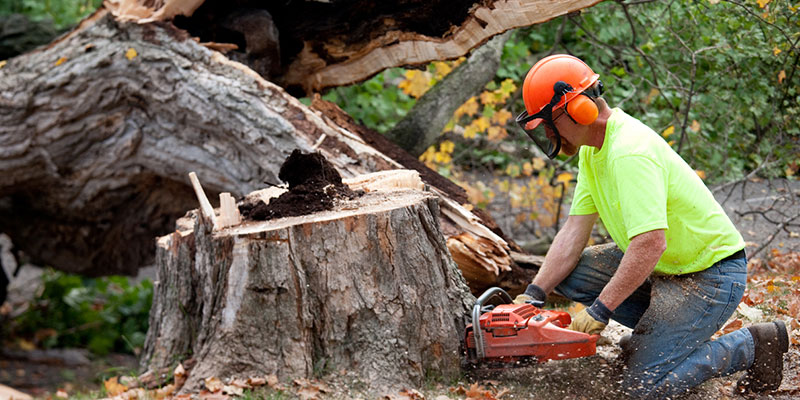
Palm trees are a defining feature of the Top End landscape, and in Humpty Doo's rural-residential setting they're a common sight on properties of all sizes. Whether planted as ornamentals, inherited from a previous owner, or simply part of the natural tropical character of a block, palms can be stunning trees when they're well-placed and well-managed. But when a palm outgrows its space, develops structural problems, or simply ends up in the wrong spot for your property plans, removal becomes the most practical path forward.
For Humpty Doo homeowners who haven't been through palm tree removal before, the process can feel uncertain. How does it actually work? What does it involve? What should you expect from start to finish? This guide walks you through everything — from the initial assessment right through to site clean-up — so you know exactly what professional palm tree removal darwin in Humpty Doo looks like.
Why Humpty Doo Properties Commonly Need Palm Tree Removal
Palms are not low-maintenance trees. In the Darwin Rural Area's tropical climate, they grow quickly, drop debris consistently, and can reach significant heights within a relatively short period of time. What starts as an attractive garden feature can become a major management challenge within a few years — particularly on larger rural blocks where multiple palms are often present.
The most common reasons Humpty Doo property owners call in palm removal experts include:
Frond and seed drop hazards: Mature palms shed large, heavy fronds on a regular cycle. In the NT's storm season, this process is accelerated and unpredictable. Falling fronds and seed clusters pose genuine risks to people, vehicles, roofing, and outdoor structures. On rural properties with livestock or working dogs, falling palm material is a safety concern that owners take seriously.
Height and powerline proximity: Palms on rural properties often grow to heights that place them dangerously close to overhead powerlines. Once a palm has reached this point, trimming is no longer a safe or effective solution — removal becomes the only practical option, and it needs to be handled by trained professionals with the equipment to work safely at height near live infrastructure.
Property development and land clearing: Humpty Doo is an active rural growth area where many landowners are developing their blocks — building new homes, adding sheds and outbuildings, extending paddocks, or creating new access tracks. Palms that fall within development footprints need to be removed as part of the site preparation process.
Pest and wildlife harbouring: The fibrous trunk and frond base of an ageing palm is one of the most common harbouring points for rodents, feral animals, and insects in the Darwin Rural Area. On rural properties where biosecurity and pest management are important, an overgrown or neglected palm can undermine the broader pest control effort.
Aesthetic and lifestyle reasons: Sometimes the reason is straightforward — the palm simply doesn't work for the property anymore. A change in landscaping vision, a renovation that alters the garden layout, or a desire for more usable outdoor space are all entirely valid reasons to proceed with removal.
What to Expect: The Palm Tree Removal Process in Humpty Doo
Knowing what a professional palm tree removal actually involves helps you prepare your property, set realistic expectations, and assess the quality of the service you receive. Here is a step-by-step breakdown of how a professional team approaches the job.
Step 1 — Site Assessment and Quote
Every professional palm removal begins with a site visit. A qualified arborist or tree removal specialist will inspect the palm in question, assess its height and trunk condition, identify any hazards in the surrounding environment — powerlines, structures, fencing, neighbouring trees — and determine the best approach for safe and efficient removal.
At this stage, the contractor will also advise on whether any council or NT Government permits are required before removal can proceed. While many palms on rural Humpty Doo properties can be removed without formal approval, there are circumstances — particularly near waterways, within certain zoning areas, or in the case of larger significant trees — where a permit may be needed. A reputable contractor will guide you through this clearly before any work begins.
Step 2 — Preparation and Access
On the day of removal, the team will establish a clear work zone around the palm, ensuring people, animals, and vehicles are kept well clear of the fall zone. Equipment is staged appropriately — which may include a cherry picker or elevated work platform for taller palms, a stump grinder, and tip trucks or trailers for debris removal.
On rural Humpty Doo properties, access is typically less restricted than in a suburban setting, which often allows for more efficient staging of equipment and a faster overall job. However, ground conditions — particularly during or immediately after the Wet Season — may affect what heavy machinery can access safely.
Step 3 — Sectional Removal from the Top Down
Palms present a unique removal challenge compared to most tree species. Because they have a single trunk without traditional lateral branching, there is no staged process of limbing before felling. Instead, taller palms are removed in sections from the top down — a process that requires either a trained climber or elevated access equipment.
Working downward, the crown and upper trunk sections are removed and lowered in a controlled manner. This sectional approach is particularly important near structures and fencing, where allowing the trunk to fall as a whole unit would cause significant damage. As sections are removed they are cut to manageable lengths, chipped on-site, or loaded directly for removal.
Step 4 — Stump Treatment or Grinding
Once the trunk is down, the stump and root system remain. For most Humpty Doo property owners, stump grinding is the recommended next step — reducing the stump to below ground level and eliminating the risk of regrowth in species that are prone to it.
In a rural setting where the stump is away from high-traffic areas, some property owners opt for a herbicide treatment to kill the remaining root system and allow the stump to decompose naturally over time. Your arborist will advise on the best approach based on the palm species, the location of the stump, and your plans for the space.
Step 5 — Debris Removal and Site Clean-Up
Palm material is bulky. Fronds, trunk sections, and seed clusters generate a significant volume of green waste — particularly for large, mature specimens. A professional team will remove all material from your property, either by chipping on-site and hauling the chip material away, or by loading whole sections for off-site disposal.
The site is left level, clean, and ready for the next phase — whether that's turfing over the stump area, incorporating the space into a garden bed, or moving straight into the next stage of your development project.
Choosing the Right Palm Removal Expert in Humpty Doo
Not every tree service operating in the Darwin region has the specific experience and equipment needed to handle large palm removals on rural properties. Here's what to look for when selecting the right contractor for the job.
Verifiable qualifications: Look for contractors holding a Certificate III in Arboriculture or equivalent, and ensure that anyone working at height holds the relevant working at heights certification. These qualifications are a baseline, not a premium.
Rural property experience: Palm removal on a Humpty Doo acreage block is different from removal in a suburban garden. The contractor you choose should have demonstrable experience working on rural NT properties — understanding access challenges, soil conditions, and the specific species common to the Darwin Rural Area.
Proper equipment for the scale of the job: Large palms require heavy-duty equipment. Confirm that your contractor has access to the machinery needed to handle the specific palm you need removed — not just the smallest and simplest jobs.
Full public liability insurance: This is non-negotiable. Confirm coverage before signing any agreement, and don't proceed with a contractor who cannot provide evidence of current insurance.
Transparent, itemised quoting: A quality contractor provides a clear written quote that breaks down the cost of removal, stump treatment or grinding, and debris disposal separately. Hidden charges on the day are a red flag.
Final Thoughts
Palm tree removal in Humpty Doo is a job that rewards the right preparation and the right team. When you understand the process from assessment through to clean-up, you're in a far stronger position to plan effectively, ask the right questions, and get a result that leaves your property exactly where you want it.
The Top End's palm trees are part of what makes rural Darwin life so distinctive — but when one of them has reached the end of its useful life on your property, there's no value in delaying the inevitable. A professional removal carried out safely, efficiently, and cleanly is the foundation for whatever comes next — a new garden layout, a development project, or simply a yard that feels more open, more manageable, and more yours.