Solid Wood for Custom Cabinets Pros, Cons, and Best Options
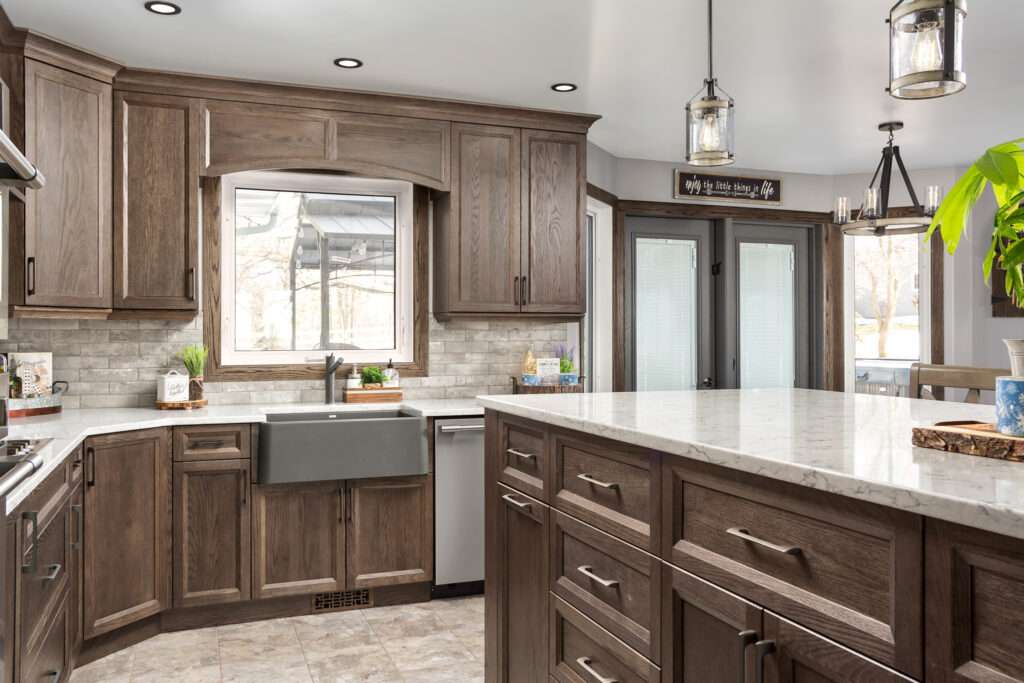
Custom cabinets can completely transform a kitchen, bathroom, or living space. When homeowners start exploring cabinet materials, solid wood is often the first option that comes to mind. It has a timeless appeal, natural beauty, and a reputation for durability. But like any material, it comes with both advantages and limitations.
If you’re planning to invest in custom cabinetry, understanding the pros, cons, and best wood choices will help you make a smart and long-lasting decision.
Why Solid Wood Remains a Popular Choice for Cabinets
Solid wood has been used in furniture and cabinetry for centuries. Its popularity hasn’t faded because it offers something that synthetic materials simply cannot replicate — authentic character and natural warmth.
Each piece of wood has unique grain patterns, subtle color variations, and a texture that adds depth to cabinets. This natural variation makes every cabinet installation feel custom, premium, and one-of-a-kind.
Another reason homeowners prefer solid wood is its strength and longevity. When properly maintained, solid wood cabinets can last decades and even become a permanent feature in the home.
Pros of Solid Wood for Custom Cabinets
1. Exceptional Durability
Solid wood is incredibly strong and can withstand everyday wear and tear. Unlike some engineered materials, it does not easily crack or break under pressure. With proper care, solid wood cabinets can last 20–50 years or even longer.
2. Natural Beauty and Unique Grain
One of the biggest advantages of solid wood is its natural aesthetic appeal. The grain patterns create visual interest and warmth that artificial materials struggle to imitate.
Whether it’s the bold grain of oak or the smooth elegance of maple, solid wood offers a classic, high-end look that never goes out of style.
3. Easy to Repair and Refinish
Scratches, dents, or surface damage can often be sanded, stained, or refinished. This ability to restore the surface means your wood for cabinets can be refreshed instead of replaced, saving money in the long run.
4. Adds Value to Your Home
Solid wood cabinetry is often associated with quality craftsmanship. Because of this, homes with solid wood cabinets tend to have higher perceived value among buyers and interior designers.
Cons of Solid Wood for Custom Cabinets
1. Higher Cost
Solid wood is generally more expensive than materials like MDF, plywood, or particleboard. The cost increases further depending on the wood species, craftsmanship, and finishing.
For homeowners on a tight budget, this can be a major consideration.
2. Sensitive to Moisture and Temperature
Wood naturally expands and contracts when exposed to changes in humidity and temperature. In environments like kitchens and bathrooms, this movement may cause warping or minor cracks over time if the wood is not properly sealed.
3. Heavier Material
Solid wood cabinets are heavier than engineered alternatives. This can make installation slightly more challenging and may require stronger cabinet support systems.
4. Natural Imperfections
While many people love wood’s natural character, others may find knots, grain variations, or slight color differences less desirable. These imperfections are part of wood’s natural beauty but may not suit every design style.
Best Types of Solid Wood for Custom Cabinets
Not all wood species perform the same. Some are better suited for cabinets due to their durability, grain pattern, and resistance to wear.
Oak
Oak is one of the most popular cabinet woods. It is extremely durable and features a distinctive grain pattern that adds texture and character to cabinets. Oak cabinets are often chosen for traditional and rustic kitchens.
Maple
Maple is known for its smooth grain and light color. It’s a strong hardwood that works well for painted or stained cabinets. Because of its clean appearance, maple is commonly used in modern and contemporary kitchens.
Cherry
Cherry wood offers a rich, warm tone that deepens over time. It creates a luxurious and elegant look, making it a favorite for high-end cabinetry. The grain is smoother than oak, giving cabinets a refined appearance.
Walnut
Walnut is admired for its dark color and sophisticated look. Although it is more expensive, walnut cabinets provide a dramatic and upscale feel that stands out in premium kitchen designs.
Birch
Birch is a budget-friendly hardwood that still provides good durability. It has a subtle grain pattern and works well when stained to resemble more expensive woods.
Tips for Choosing the Right Solid Wood Cabinets
Selecting the right wood depends on your budget, style preferences, and the environment where the cabinets will be installed.
If you want durability with visible texture, oak is a strong option. For sleek and modern designs, maple works beautifully. If luxury and warmth are your priorities, cherry or walnut may be the best choice.
It’s also important to ensure cabinets are properly sealed and finished to protect them from moisture and daily use.
Final Thoughts
Solid wood remains one of the most trusted materials for custom cabinets. Its durability, natural beauty, and ability to age gracefully make it a worthwhile investment for many homeowners.
However, it’s essential to weigh the cost, maintenance needs, and environmental conditions before making a decision. By choosing the right wood species and proper finishing techniques, solid wood cabinets can deliver both functionality and timeless elegance for decades.
In the end, solid wood cabinets are not just storage solutions — they are a lasting design statement that brings warmth and character to your home.